Active ingredients and chemical structures
RxNorm ingredient relationships. Structures are retrieved by PubChem compound identifier when available. An ingredient can have both a base and a precise salt concept.


RxCUI 8591
RxNorm ingredient relationships. Structures are retrieved by PubChem compound identifier when available. An ingredient can have both a base and a precise salt concept.
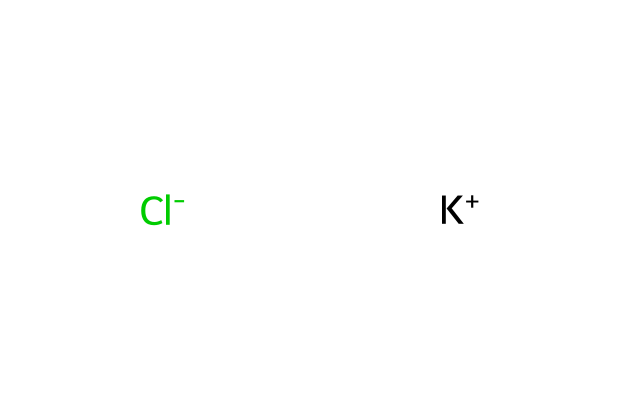
5 registered studies reference this RxNorm concept, including 1 currently marked recruiting. A study association is not an approved indication.
Source-linked research information, not medical advice. Dates and study statuses reflect published records.
Study starts and current recruitment statuses across 5 distinct linked trials. This measures registered research activity, not medical effectiveness or FDA approval.
Reading these charts: 1 of 5 linked studies are currently marked recruiting. The yearly bars group studies by registered start year, not the date their recruitment status changed. Counts and statuses are observational and do not measure treatment safety or effectiveness.
CureCurrent currently connects this RxNorm drug concept to 5 displayed clinical trials and 6 distinct registered condition labels on this page. The links show what was studied, not whether this drug is effective or approved for those conditions. FDA-label excerpts, when available, refer to specific labeled products and may include route and formulation restrictions.
Data basis: current published ClinicalTrials.gov records and, where present, RxNorm, MONDO and FDA-label identifiers. See the evidence interpretation and counting methodology.
This is an RxNorm IN drug concept. Its name, formulation details and source identifiers are preserved to distinguish it from other drug records.
What this record does not establish: current marketing availability, therapeutic equivalence, safety, or official approval status. Check an up-to-date product label or a pharmacist for product-specific questions.
These are other published drug concepts with matching brand or formulation names. They are not necessarily equivalent medicines.
potassium chloride is indexed in RxNorm under RxCUI 8591.
Recorded RxNorm term type: IN.
Indexed alternative terminology (selected): Cena K; Chlorid draselny; CHLORIDE (AS POTASSIUM); Chloride of potash; Ed K+10.
Indexed ingredient relationships (selected): potassium chloride (RxCUI 8591) (PubChem CID 4873).
Additional background reference: Potassium chloride (Wikipedia; https://en.wikipedia.org/wiki/Potassium_chloride).
CureCurrent currently indexes 5 distinct linked registry trial records, including 1 with recruiting status. These are database associations, not evidence of efficacy or approved use.
Terminology and recorded relationships do not establish appropriate dosage or an approved indication for a particular product or patient.
Automatically checked research summary; not an independently reviewed clinical assessment. Source-derived research context, not medical advice. Database relationships and trial registration do not establish treatment effectiveness.Potassium chloride (KCl, or potassium salt) is a metal halide salt composed of potassium and chlorine. It is odorless and has a white or colorless vitreous crystal appearance. The solid dissolves readily in water, and its solutions have a salt-like taste. Potassium chloride can be obtained from ancient dried lake deposits. KCl is used as a salt substitute for table salt (NaCl), as a fertilizer, as a medication, in scientific applications, in domestic water softeners (as a substitute for sodium chloride salt), as a feedstock, and in food processing, where it may be known as E number additive E508. It occurs naturally as the mineral sylvite, which is named after the salt's historical designations sal degistivum Sylvii and sal febrifugum Sylvii, and in combination with sodium chloride as sylvinite.
Background only. Canonical identity remains RxNorm; clinical-trial relationships come from ClinicalTrials.gov.Links follow ClinicalTrials.gov trial associations; they do not identify the medicine's manufacturer or owner.
Drug identity and terminology: RxNorm. Trial relationships: ClinicalTrials.gov.
Follow the original records, related research, and methods behind these observations.